Automated product inspection
A modern approach to order picking
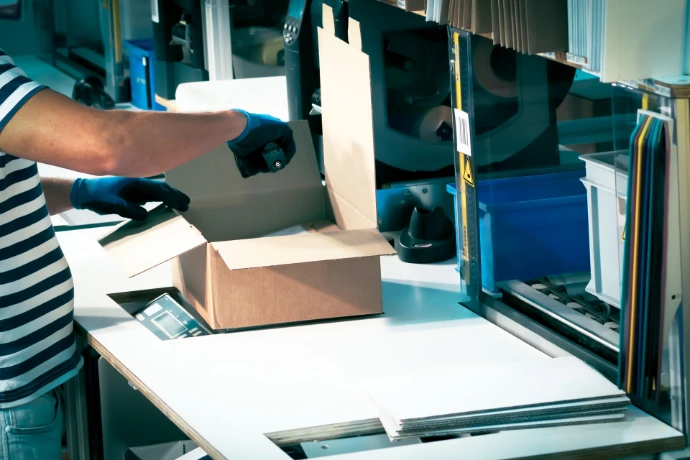
Automated product inspection
A modern approach to order picking
Almost every manufacturing company handles order picking in one form or another. For many, it’s a headache: staffing costs money, yet errors still occur, leading to returns, backorders, and service calls that incur additional costs. Furthermore, a customer who receives a defective shipment will think twice about placing another order in the future.
Picking goods is one of the most costly and error-prone processes in the entire logistics and manufacturing chain. Every incorrect shipment results in direct follow-up costs—and that’s just the tip of the iceberg.
But where there are problems, solutions are found: Systems that use AI-powered, camera-based image processing offer a modern approach to reducing error rates and cutting costs.
Problems everyone is familiar with
Picking is the final manual step before shipping or further processing—and thus the point at which errors result in the highest follow-up costs. Whether it takes place in warehouse logistics, e-commerce, or industrial manufacturing, the requirements are the same, and so are the problems.
The most common problems encountered during order picking
• Incorrect items or variants are picked
• Quantity discrepancies due to manual counting
• Damaged goods are unknowingly processed further or shipped
• Missing parts are not discovered until they reach the customer
The result: costly returns, frustrated customers, rising service costs, and an ROI that, when all is said and done, is significantly lower than it needs to be.
The True Cost of Picking Errors
The direct, monetary costs resulting from picking errors are obvious. These are offset by indirect costs that are difficult to quantify but can amount to many times that figure: loss of customers, damage to reputation, warranty claims, and production downtime at the recipient’s facility.
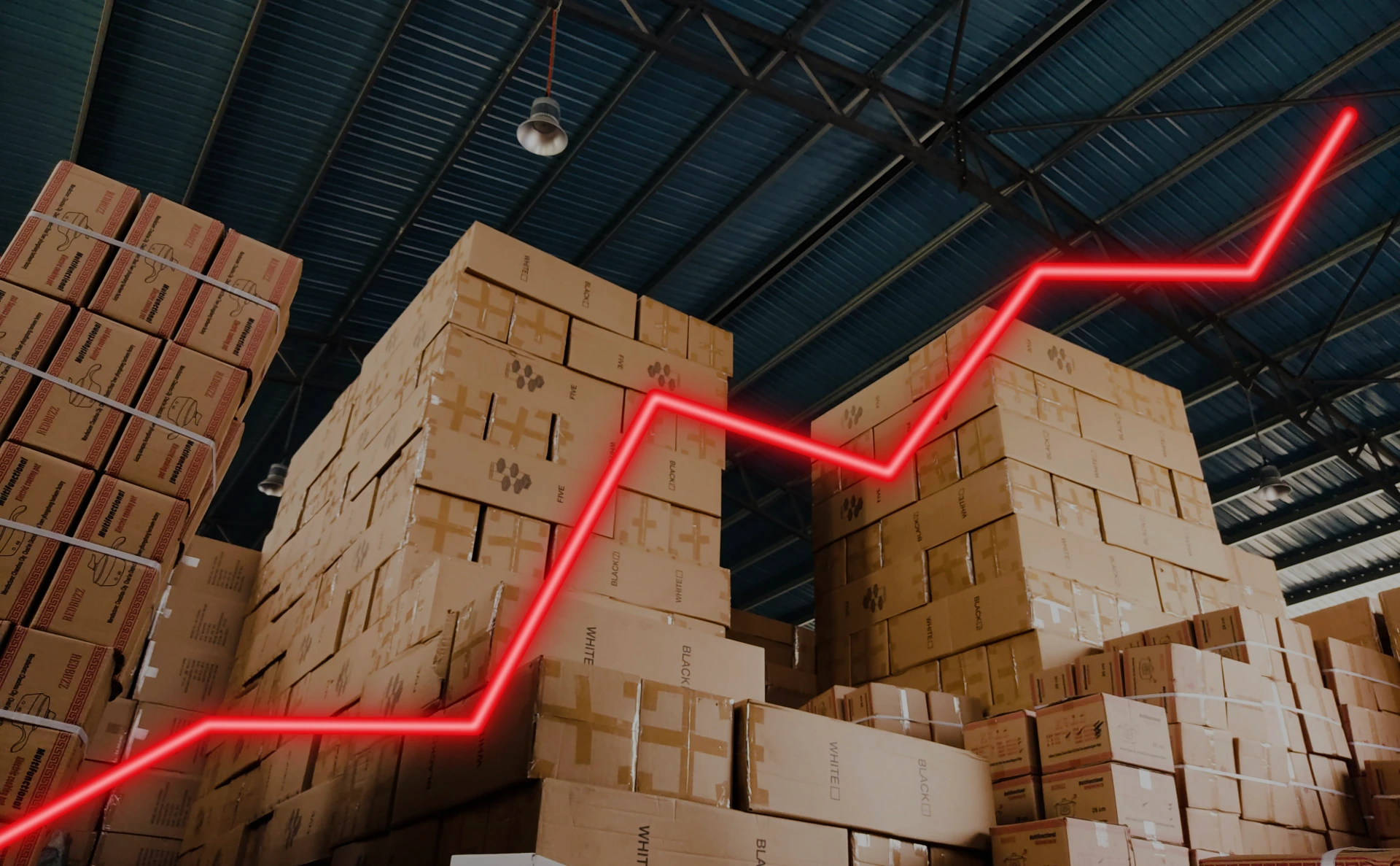
Industry studies show that picking accuracy averages between 96% and 98%.¹ Especially when dealing with large quantities or high-priced products, costs can quickly skyrocket while margins shrink.
Often, even minor changes to the workflow can further increase the error rate. When a new product is added to the product range or a new employee is being trained, it is natural for errors to increase initially. Here, too, digital and automated solutions can be of great benefit.
Automated Order Picking: More Than Just a Barcode Scanner
When companies consider modernizing their picking processes, most first think of barcode scanners or pick-by-light systems. While these methods are helpful, they still leave gaps through which errors can creep in—because they verify whether an item has been scanned, but not whether the correct item has actually been picked, is undamaged, and placed correctly.
By using AI-powered image processing, even these final gaps can be closed. Cameras capture and document every step in real time, while simultaneously checking items for completeness and accuracy.
Digitize, automate, and save money today!
Worker assistance as a digital guide for order picking
In addition to simply detecting errors, digital worker guidance plays a crucial role in preventing them. Paper lists are not very informative visually and are also time-consuming to document and analyze.
A digital system, on the other hand, can be designed to clearly display the required components. Such visual cues not only reduce the error rate but also cut down on packing time, as employees spend less time searching for items and asking for clarification.
At the same time, digitization enables long-term traceability. This makes it possible to identify parts from specific suppliers that are frequently damaged, even in hindsight, and to file a complaint if necessary. The resulting database also serves as a foundation for continuous optimization processes.
Is camera-based order picking worth it?
Buzzwords like “camera-based” or “AI” can seem intimidating at first. Many people initially assume that implementation and operation by specialized staff will be costly.
Even though some of these systems do require a significant amount of technical expertise, there are solutions designed for user-friendly operation. A No Code approach allows both camera applications and AI models to be created without any programming knowledge. This keeps the systems flexible to use and makes costs predictable..
Investing in a camera-based inspection and operator guidance system typically pays for itself within a few years—depending on order volume, current error rates, and product complexity. It is not possible to make a reliable general statement about the payback period without knowing the specific application scenario; we would be happy to advise you on this on an individual basis.
Conclusion: Picking errors can be avoided
Every picking error is costly—directly due to returns, rework, and service calls, and indirectly due to lost customers and damage to the company’s reputation. The good news is that these errors are largely preventable.
AI-based image processing combined with digital operator guidance ensures that every step of the process is performed and documented correctly. No specialized personnel are required, and adjustments to new products or manufacturing processes can be made independently.
Vision4Quality develops exactly these solutions, tailored to any production environment. Contact us now for a no-obligation demo.
¹ https://www.netsuite.com/portal/resource/articles/erp/order-accuracy.shtml
Author: Frederick Warken